
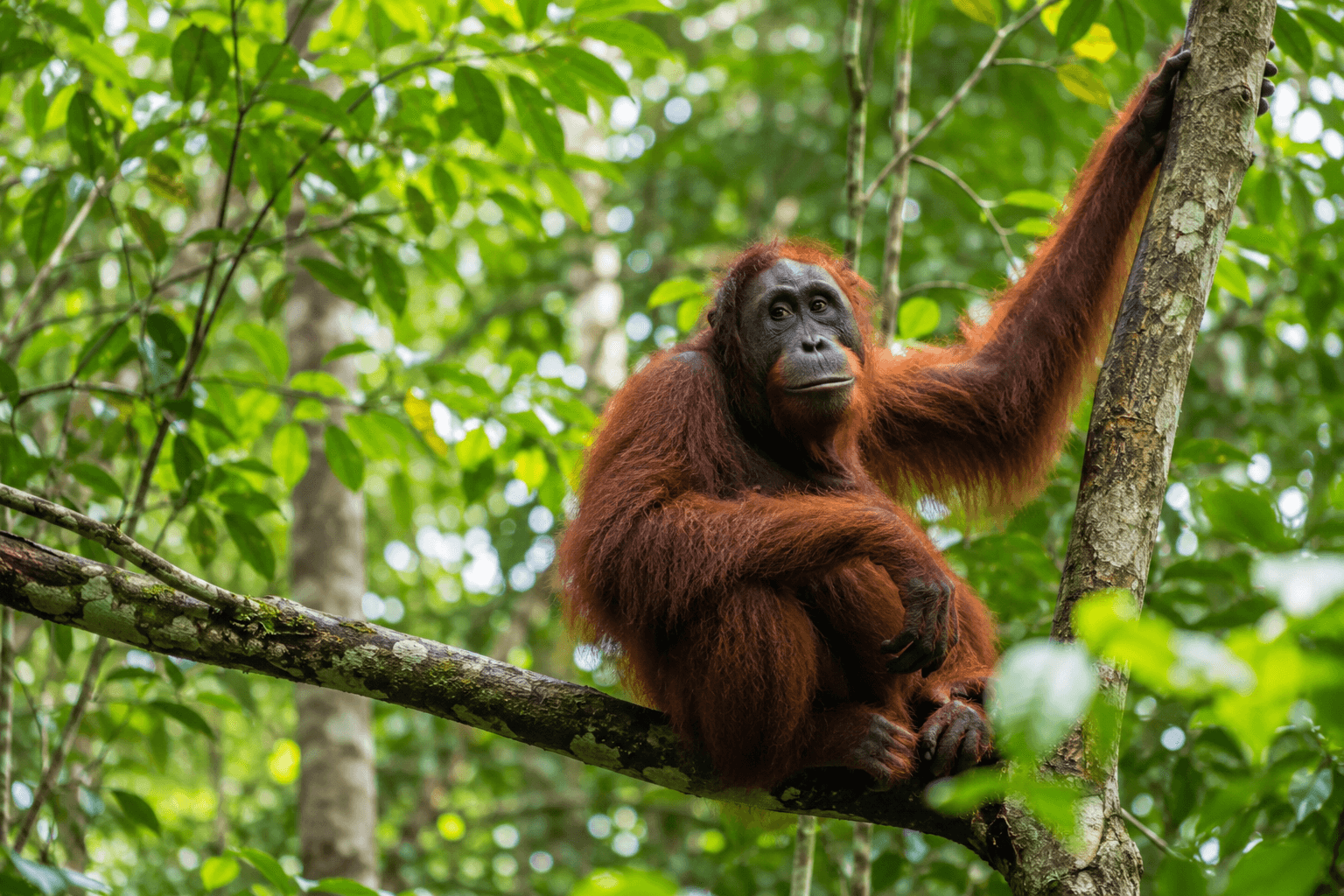
If seeing orangutans in a forest setting is on your Malaysia itinerary, Semenggoh Wildlife Centre is a place worth adding to your list. Located near Kuching, it is one of Malaysia's best-known places to observe semi-wild orangutans in a natural environment.
Watching these orangutans emerge from the rainforest during feeding sessions gives visitors a chance to see them in a setting that is different from a traditional zoo. The centre provides care for rescued and rehabilitated orangutans while allowing them to live in the surrounding forest.
You don't just observe wildlife; you see conservation in action. In this guide, you'll learn about feeding sessions, the best time to visit, travel tips, and everything you need to plan a memorable trip to Semenggoh Centre.
What Makes Semenggoh Wildlife Centre Special?
Semenggoh is not just a place to see orangutans. It is a conservation centre where rescued orangutans are given a second chance to live freely in the rainforest while still receiving support when needed.
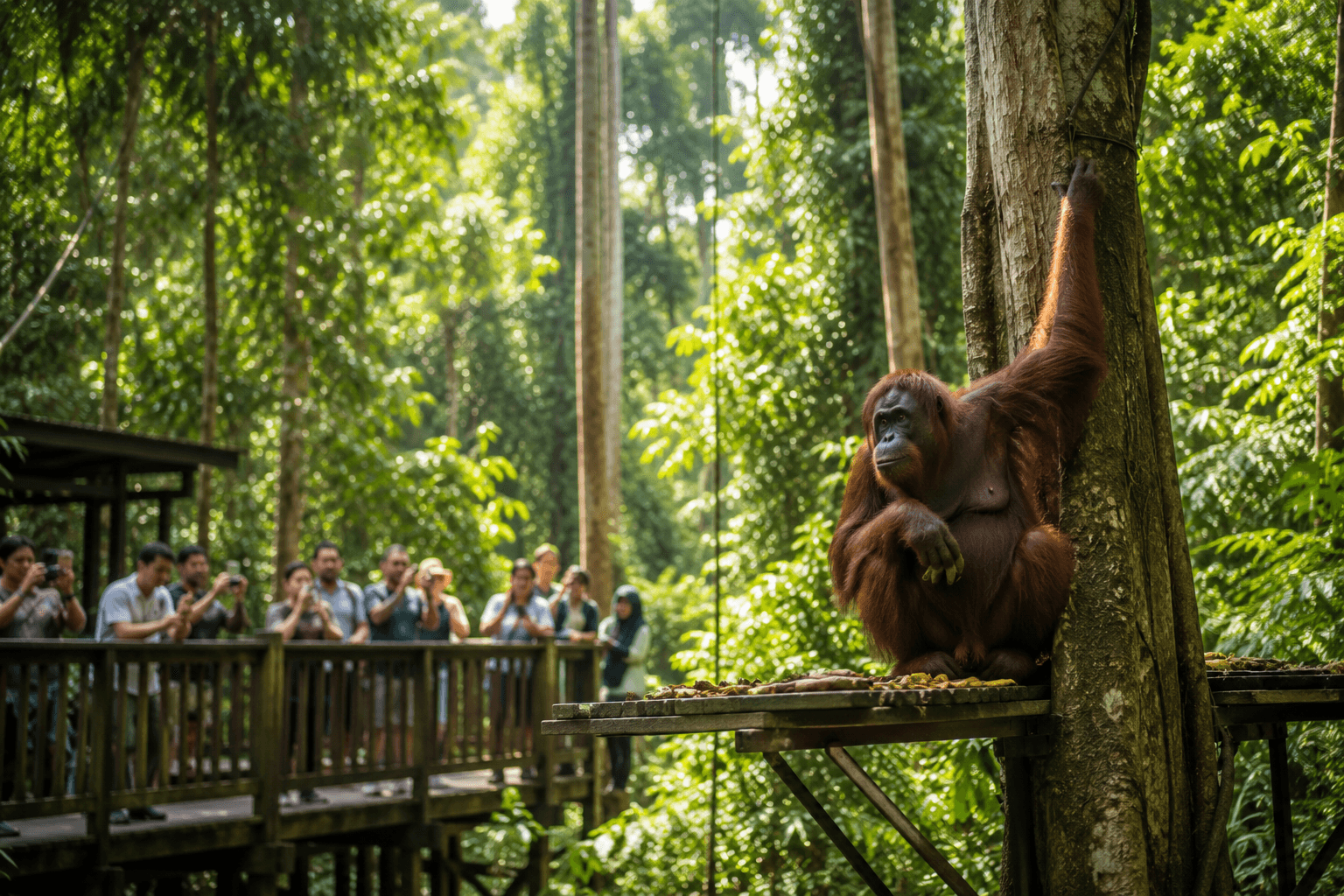
A sanctuary for rescued orangutans
Many of the orangutans at Semenggoh were rescued after losing their homes or being kept as illegal pets. They are cared for by trained wildlife staff, and their rehabilitation needs vary based on factors such as age, health, behaviour, and previous dependence on humans.
What makes the sanctuary special:
- Rescues orphaned and displaced orangutans.
- Provides medical care and daily monitoring.
- Helps young orangutans learn survival skills.
- Protects a large area of natural rainforest.
Semenggoh Wildlife Centre is an important wildlife sanctuary in Malaysia that focuses on conservation rather than entertainment. By visiting, you can also support its ongoing efforts to protect and care for rescued orangutans.
From rehabilitation to life in the wild
The goal at Semenggoh is not to keep orangutans in captivity forever. Once they are strong enough, they are allowed to live freely in the surrounding forest. Some become fully independent, while others still return during feeding sessions when natural food is limited.
The rehabilitation process includes:
- Learning to climb and build nests.
- Finding natural food in the rainforest.
- Developing survival skills from other orangutans.
- Gradually becoming less dependent on humans.
This careful approach gives rescued animals the best chance of living a natural life. It is one of the main reasons visitors choose this conservation site over many other wildlife experiences.
Why Semenggoh is different from a zoo
The biggest difference is that the orangutans are not kept in cages. They live in a protected rainforest and are free to move wherever they choose. Visitors watch from designated areas and wait quietly to see whether any orangutans approach the feeding area.
Here's what makes Semenggoh different:
- Orangutans live freely in the forest.
- Sightings are never guaranteed.
- Feeding supports, but does not replace, natural foraging.
- Conservation comes before tourism.
- Visitors observe without disturbing the animals.
This creates a more natural and meaningful wildlife experience. Instead of watching animals behind barriers, you may see them behaving as they would in the wild, making every visit to Semenggoh Wildlife Centre feel unique and rewarding.
Witness the Famous Orangutan Feeding Sessions
The feeding sessions are the main reason many people visit Semenggoh. They offer a rare chance to watch rescued orangutans return from the rainforest while still living in their natural habitat.
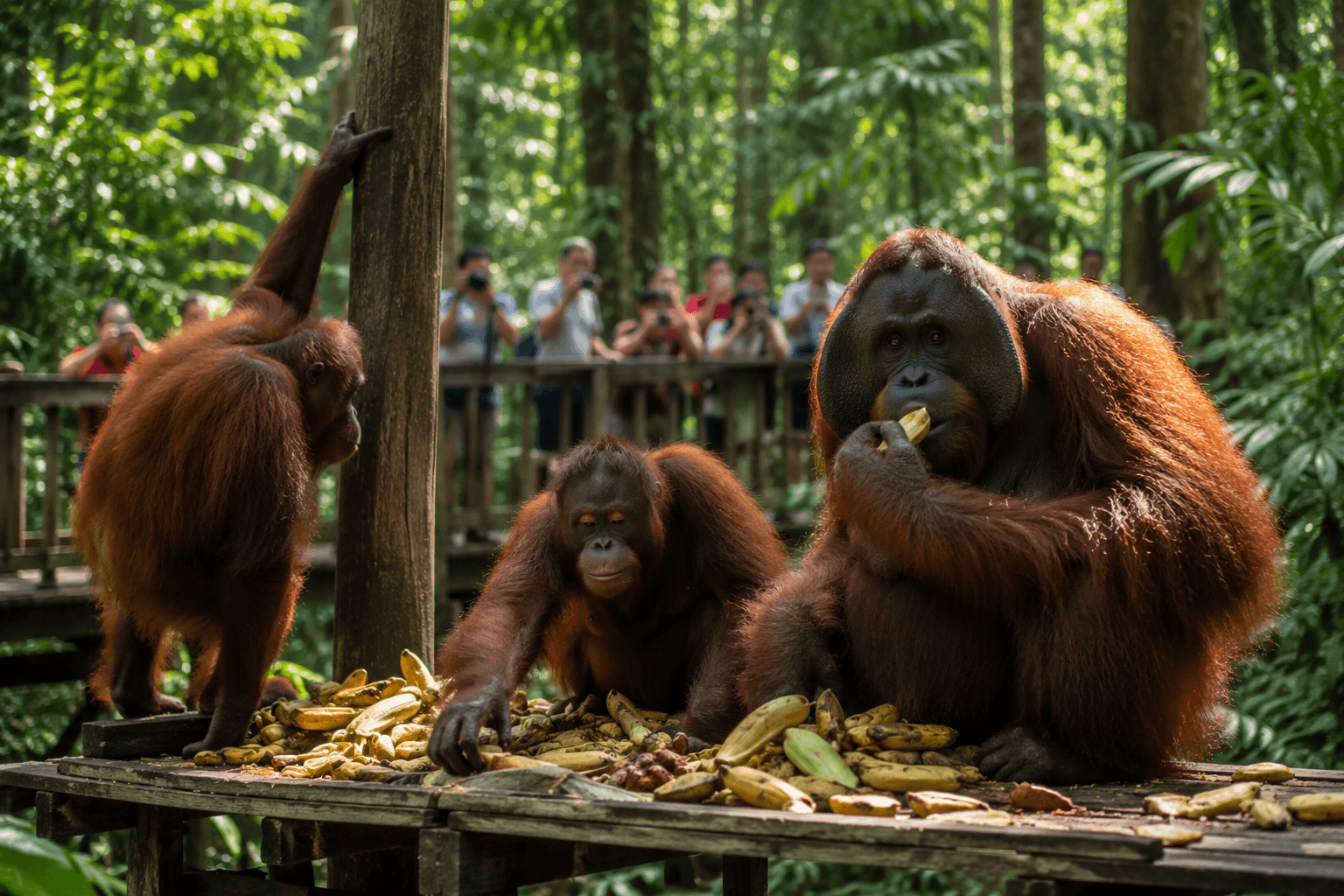
Feeding schedule
Feeding sessions take place twice a day, giving visitors two opportunities to see the orangutans. The usual schedule is:
- Morning: 9:00 AM to 10:00 AM
- Afternoon: 3:00 PM to 4:00 PM
It is best to arrive at least 30 minutes early. This gives you enough time to register, walk to the viewing area, and settle in before the feeding begins.
Since the orangutans are free to roam, the exact timing of their arrival can vary. Planning around the feeding sessions is the best way to enjoy Semenggoh Wildlife.
What happens during a feeding session
Before the feeding starts, visitors gather quietly at the viewing platform while the wildlife staff prepares fruit and other food. If nearby orangutans decide to visit, they make their way through the forest to the feeding area.
During the session, you may see:
- Orangutans climbing down from tall trees.
- Young orangutans following their mothers.
- Rangers placing food on feeding platforms.
- Natural climbing, eating, and social behaviour.
Watching these orangutans move freely through the Sarawak rainforest is very different from seeing animals in a traditional enclosure. Every feeding session at Semenggoh Wildlife Centre is unique because the animals decide whether to appear.
Why sightings aren't guaranteed
One of the most important things to understand is that seeing an orangutan is never guaranteed. These are semi-wild animals, not captive ones. As they become better at finding food in the forest, many choose not to visit the feeding platform.
Sightings can depend on:
- Food available in the forest.
- Weather conditions.
- The orangutans' movements that day.
- Their individual feeding habits.
Even if only a few orangutans appear, the experience remains special because you are watching natural wildlife behaviour. This is one of the reasons Semenggoh Wildlife is respected by conservationists and wildlife lovers.
Tips for the best viewing experience
A little preparation can make your visit much more enjoyable. Following the park's rules also helps protect the orangutans and keeps the experience safe for everyone.
Keep these tips in mind:
- Arrive at least 30 minutes before feeding time.
- Stay quiet while waiting.
- Follow the instructions given by the rangers.
- Keep a safe distance from the animals.
- Bring binoculars if you have them.
- Wear comfortable shoes for the forest walk.
Patience is important. Some days the orangutans appear quickly, while on other days they may take longer or not visit at all. Waiting quietly gives you the best chance of enjoying an unforgettable visit to Semenggoh Wildlife.
Meet the Orangutans of Semenggoh Wildlife Centre
The orangutans are the heart of Semenggoh. Each one has its own story, and every visit offers a chance to learn how these remarkable animals are returning to life in the wild.
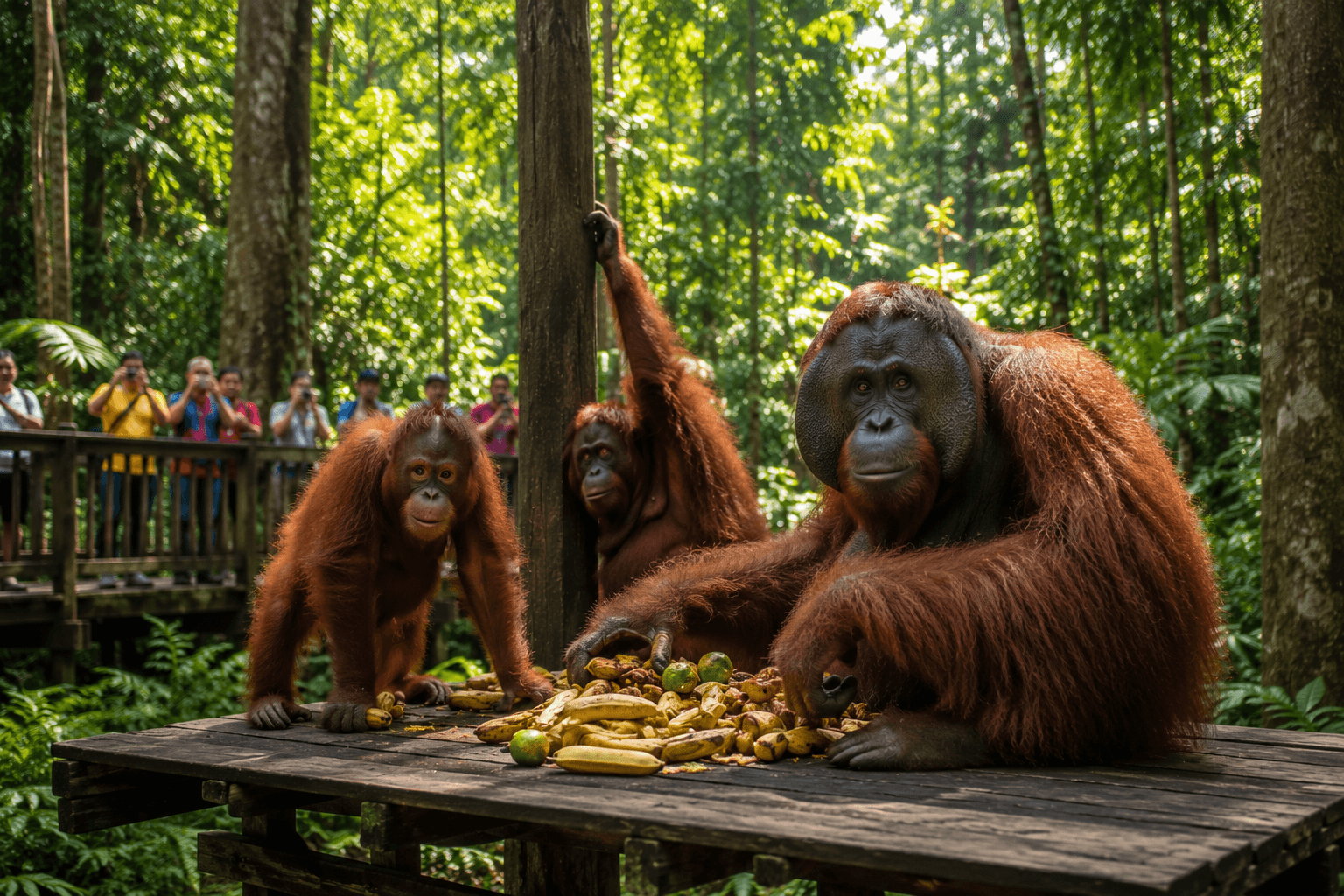
Semi-wild orangutans
The orangutans at Semenggoh are known as semi-wild because they are no longer kept in cages but still receive support when needed. They spend most of their time in the rainforest, climbing trees, building nests, and searching for food on their own.
Here's what makes them different:
- They live freely in the forest.
- They find most of their own food.
- They return only when they need extra food.
- They behave naturally without performing for visitors.
This gives you the chance to see orangutans behaving much as they would in the wild. It also makes every visit to Semenggoh Wildlife Centre different, as no two sightings are ever the same.
Famous resident orangutans
Over the years, several orangutans have become well known among visitors and park staff. Some are easily recognised because of their size, personality, or the number of years they have lived in the forest around Semenggoh.
Some well-known residents include:
- Ritchie, one of the largest adult males.
- Seduku, a strong female often seen with her young.
- Annuar, another familiar face during feeding sessions.
Many visitors hope to spot these famous orangutans during Semenggoh orangutan feeding, but there is never a guarantee. That sense of surprise makes every trip to this Wildlife Centre even more rewarding.
Orangutan rehabilitation journey
Every rescued orangutan follows a careful rehabilitation process before living independently. Young orangutans must learn the same survival skills they would normally learn from their mothers in the wild.
The journey usually includes:
- Medical treatment after rescue.
- Learning to climb safely.
- Finding natural food.
- Building nests for sleeping.
- Becoming less dependent on human care.
Some orangutans become fully independent, while others continue visiting the feeding platform from time to time. The goal is always to help them live naturally, which is the main mission of Semenggoh Wildlife Centre.
Conservation success stories
Semenggoh has helped many rescued orangutans return to the rainforest over the years. This long-term work has played an important role in protecting the species and giving orphaned or displaced animals a second chance.
The centre's conservation efforts have helped to:
- Return many orangutans to the wild.
- Protect important rainforest habitat.
- Educate visitors about wildlife conservation.
- Support the future of orangutans in Sarawak.
Every successful rehabilitation shows what dedicated conservation can achieve. By visiting Semenggoh Centre, you are also supporting the ongoing work to protect one of Borneo's most iconic animals for future generations.
Discover Orangutans in Sarawak and Their Natural Habitat
Seeing orangutans at Semenggoh is different from watching animals in an enclosure. The orangutans roam freely through the forest and may return to the feeding area when they need supplementary food, so sightings are never guaranteed.
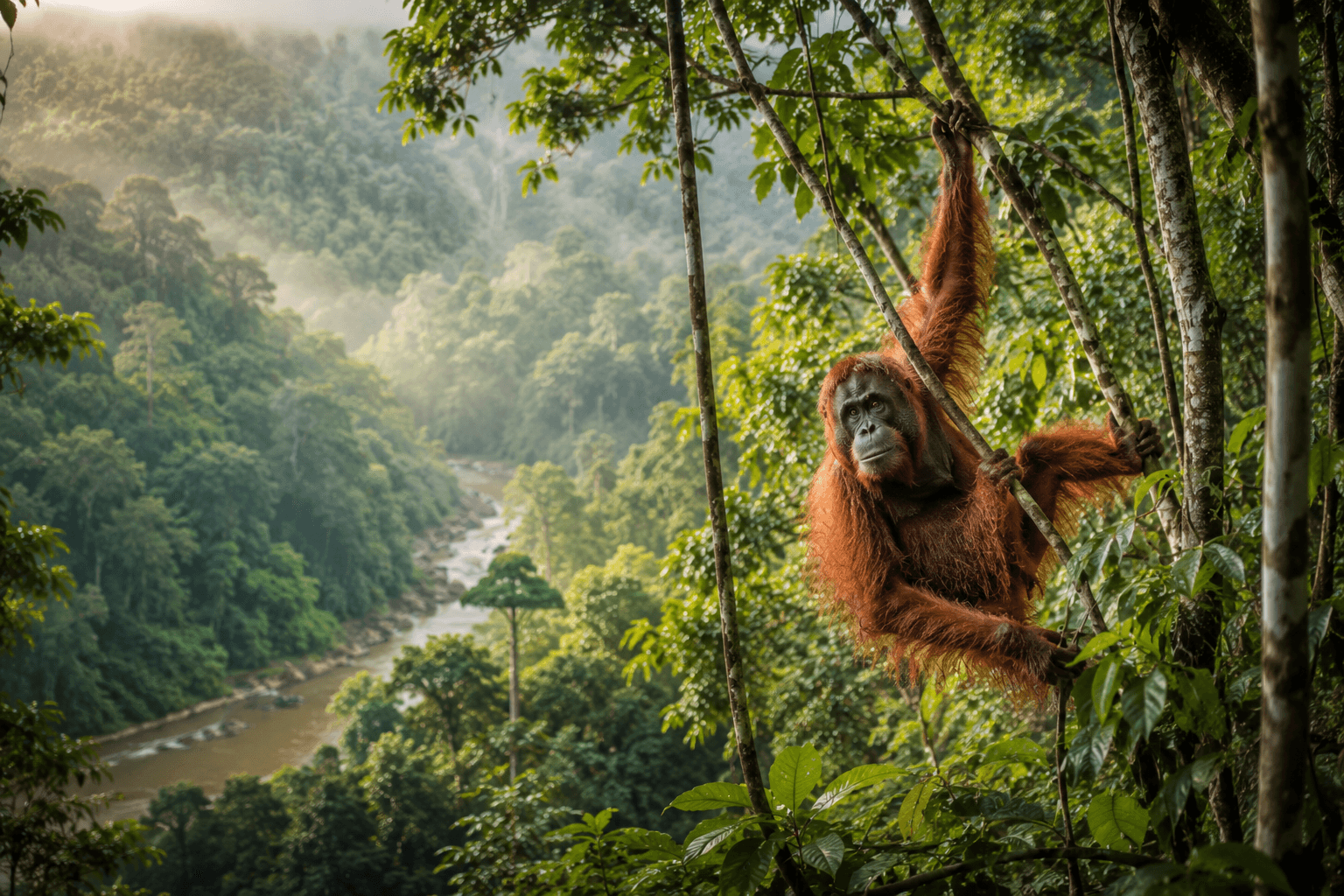
Why feeding times can vary
Feeding sessions give visitors a better chance of seeing the orangutans, but their natural food supply can affect whether they appear.
- Fruiting season: When fruit is plentiful in the forest, orangutans may find enough natural food and skip the feeding area.
- Weather: Rain and other weather conditions can also affect wildlife activity.
- No guaranteed sightings: Because the orangutans are free to roam, they may not appear even during scheduled feeding times.
Why visitors should stay quiet
Visitors watch from designated areas and should keep noise low while observing the orangutans. Staying quiet helps avoid disturbing the animals and gives you a better chance of watching their natural behaviour without interference.
Planning Your Visit to Semenggoh Wildlife Centre
Planning ahead helps you make the most of your visit. Knowing when to arrive and what to expect can improve your chances of enjoying a smooth and memorable wildlife experience.
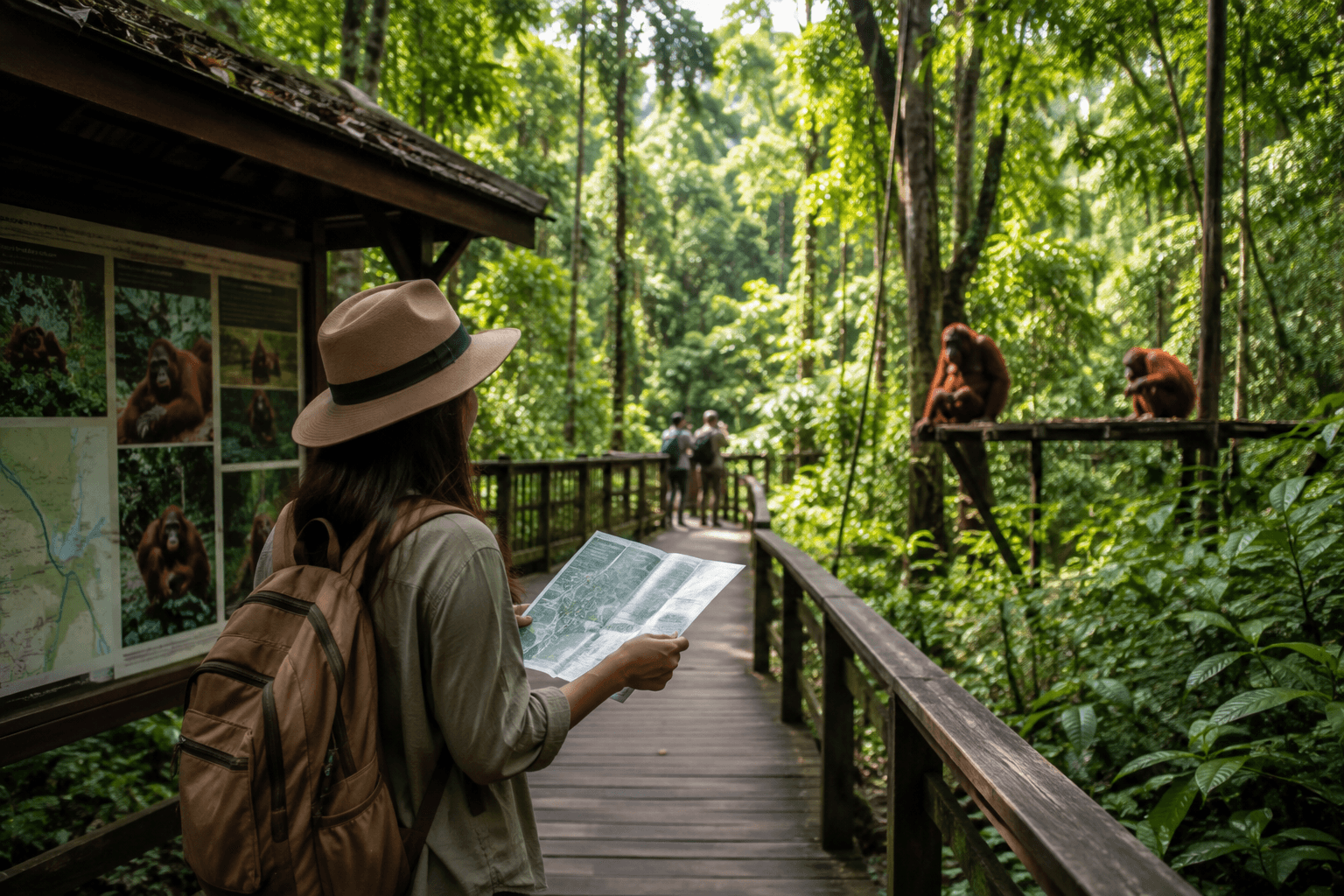
Location and how to get there
Semenggoh Wildlife Centre is located about 24 km south of Kuching, making it an easy day trip from the city. Allow roughly 30 to 45 minutes to reach the centre from central Kuching by car or ride-hailing services such as Grab, depending on traffic and your starting point.
Your travel options include:
- Grab or taxi from Kuching
- Rental car
- Guided day tour
- Limited public bus services
Many travelers include the centre with other Things to do in Kuching because it is close enough for a half-day visit. Arriving early gives you plenty of time to reach Semenggoh Centre before the feeding session starts.
Opening hours
The centre is open every day, including weekends and most public holidays. Visitors are only allowed to enter during the scheduled visiting sessions, which are planned around orangutan feeding times.
Opening hours are:
- Morning: 8:00 AM – 10:00 AM
- Afternoon: 2:00 PM – 4:00 PM
The feeding sessions usually take place from 9:00 AM to 10:00 AM and 3:00 PM to 4:00 PM. Allow enough time after arriving to complete any registration and walk to the designated viewing area before the feeding session begins.
Entrance fees
The entrance fee is affordable, making Semenggoh one of the best-value wildlife experiences in Sarawak. Ticket prices vary depending on your age and nationality.
Current standard entry fees include:
- Foreign adult: RM10
- Foreign child (6–17): RM5
- Malaysian adult: RM5
- Malaysian child (6–17): RM2
- Children under 6: Free
Entry fees are subject to change. Check the latest rates before your visit.
If you prefer not to walk to the feeding platform, an optional buggy service is available for an extra charge. Checking the latest ticket information before visiting Semenggoh Wildlife Centre is always a good idea.
Best time to visit
The best time to visit is during the non-fruiting season, usually from April to October. During these months, orangutans are more likely to visit the feeding platform because there is less natural food available in the forest.
For the best experience
| Tip | Why it helps |
|---|---|
| Choose the morning feeding session | It gives you an earlier opportunity to see the orangutans and leaves more of the day available for exploring Kuching or nearby attractions. |
| Visit between April and October | This period can offer favorable conditions for visiting and exploring the area. |
| Arrive at least 30 minutes early | It gives you enough time to register and reach the designated viewing area before the feeding session. |
| Keep noise to a minimum | Staying quiet helps avoid disturbing the orangutans while you observe them. |
Beyond Orangutans: Wildlife You Can Spot at Semenggoh
Orangutans may be the main attraction, but they are not the only wildlife you'll find here. The protected rainforest is home to many birds, mammals, and native plants that make every walk through the forest more interesting.
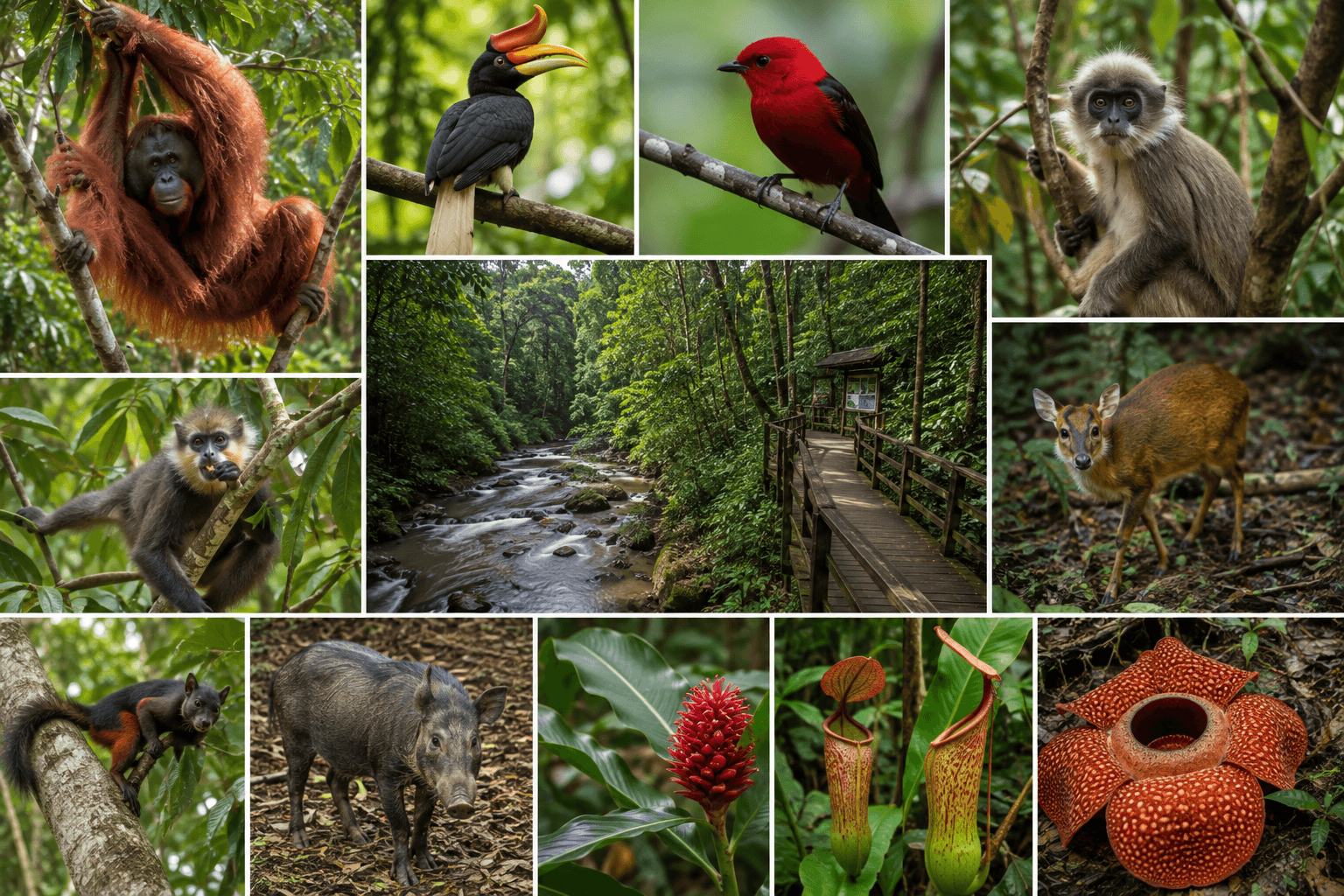
Birds of the rainforest
Semenggoh is a great place for birdwatching, especially if you enjoy nature walks. The rainforest provides food and shelter for many colourful and unique bird species. You may spot:
- Hornbills
- Kingfishers
- Barbets
- Woodpeckers
- Drongos
- Sunbirds
Bring a pair of binoculars if you have one, as many birds stay high in the trees. Even if you come to see orangutans, watching the birdlife adds even more value to your visit to Semenggoh Wildlife Centre.
Native mammals
Besides orangutans, several other mammals also live in the forest. They are often shy, so sightings depend on the time of day and a bit of luck. Keep an eye out for:
- Long-tailed macaques
- Pig-tailed macaques
- Plantain squirrels
- Bearded pigs
- Civets
These animals play an important role in the rainforest ecosystem. Seeing them in their natural habitat makes a visit to Semenggoh Wildlife even more rewarding.
Tropical plants and forest ecosystem
The rainforest at Semenggoh is rich in plant life. Towering trees, climbing vines, ferns, and flowering plants create a healthy habitat for wildlife and help maintain the balance of the ecosystem. Along the forest trails, you'll notice:
- Tall tropical hardwood trees
- Wild palms
- Ferns and mosses
- Climbing vines
- Native flowering plants
These plants provide food, shelter, and nesting areas for many animals. Protecting this forest is one of the reasons Semenggoh Centre continues to support successful wildlife conservation.
Nature photography opportunities
Semenggoh offers excellent opportunities for nature photography. From wildlife and rainforest scenery to close-up shots of plants, there are plenty of subjects to capture throughout your visit. For the best photos:
- Bring a camera with a zoom lens if possible.
- Keep a safe distance from wildlife.
- Use natural light whenever you can.
- Stay patient and avoid sudden movements.
- Follow all photography rules set by the park.
Respecting the animals is more important than getting the perfect picture. With patience and a little luck, you'll leave Semenggoh Wildlife Centre with memorable photos and an even greater appreciation for Borneo's rainforest.
Explore More Sarawak Wildlife Attractions Near Semenggoh
If you have extra time in Sarawak, there are several nature destinations worth visiting after Semenggoh. Each offers a different experience, from rainforest hiking to wildlife spotting and rare plant species.
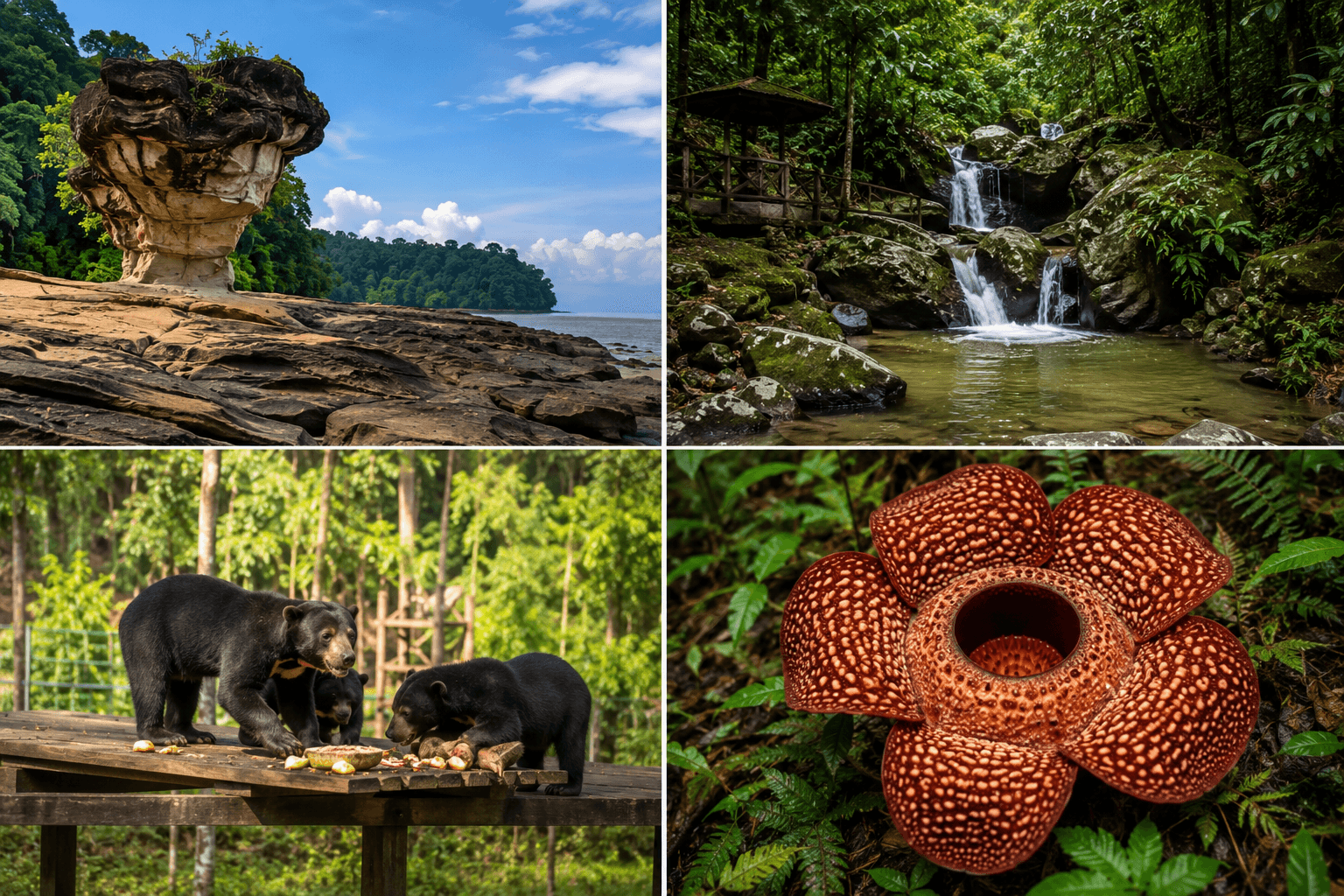
Bako National Park
Bako National Park is Sarawak's oldest national park and is famous for its diverse wildlife and coastal rainforest. It is one of the best places to see animals living freely in their natural habitat. Highlights include:
- Proboscis monkeys
- Bearded pigs
- Long-tailed macaques
- Forest hiking trails
- Rocky beaches and sea cliffs
The park is around an hour from Kuching and makes an excellent day trip after visiting this Wildlife Centre.
Kubah National Park
Kubah National Park is known for its peaceful rainforest, waterfalls, and rich plant life. It is a popular destination for hikers and anyone looking to enjoy nature away from the city. Things to enjoy here:
- Well-marked jungle trails
- Beautiful waterfalls
- Palm tree collection
- Birdwatching opportunities
- Scenic rainforest views
The park is also home to many frogs, insects, and birds, making it a great stop for wildlife lovers after exploring Semenggoh Wildlife Centre.
Matang Wildlife Centre
Matang Wildlife Centre focuses on rescuing and caring for injured or orphaned native animals. While some animals cannot return to the wild, the centre plays an important role in wildlife rehabilitation and education. You may see:
- Orangutans
- Sun bears
- Hornbills
- Civets
- Crocodiles
Unlike Semenggoh, many animals here stay in protected enclosures because they need long-term care. Visiting both centres gives you a better understanding of wildlife conservation in Sarawak. After your visit, you will appreciate the work carried out at Semenggoh centre for Wildlife even more.
Gunung Gading National Park
Gunung Gading National Park is best known for the Rafflesia, the world's largest flower. The park also offers rainforest trails, waterfalls, and beautiful mountain scenery. Don't miss:
- Rafflesia blooms (when in season)
- Forest hiking trails
- Clear waterfalls
- Rich rainforest wildlife
- Peaceful picnic spots
If your travel schedule allows, adding this park to your itinerary gives you a chance to experience another side of Sarawak's natural beauty. Together with Semenggoh Wildlife Centre, these attractions showcase the incredible wildlife and rainforests that make Sarawak so special.
Things to Do in Kuching After Visiting Semenggoh
After your visit to Semenggoh, it's worth spending more time exploring Kuching. The city has a relaxed atmosphere and offers a mix of history, culture, local food, and beautiful riverside views.
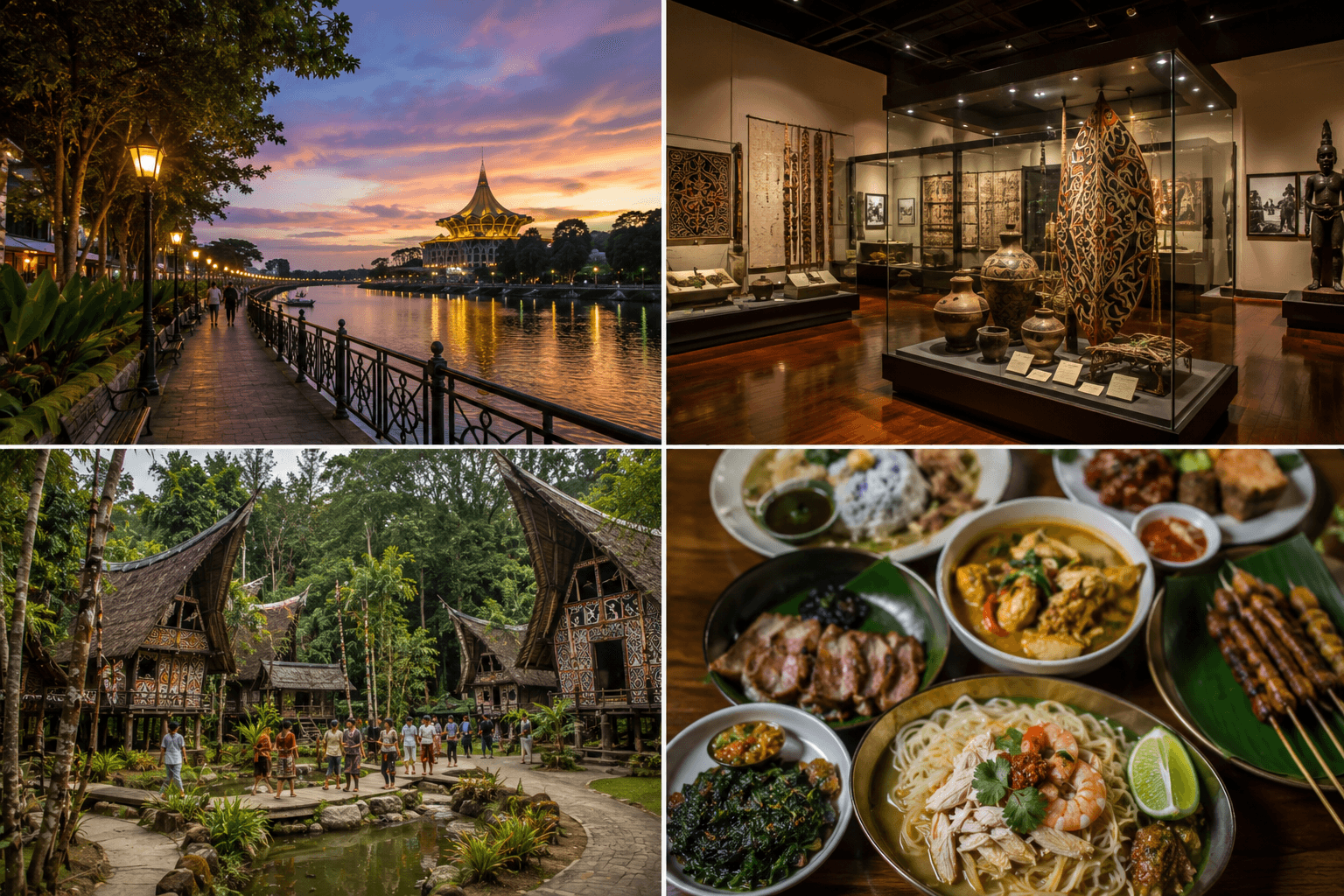
Walk along Kuching Waterfront
The Kuching Waterfront is one of the city's most popular places to relax. The riverside promenade is clean, easy to walk, and offers great views of the Sarawak River. While you're there, you can:
- Enjoy a peaceful riverside walk
- Watch the sunset
- Visit small cafés
- Take photos of historic buildings
- Join a Sarawak River cruise
The waterfront is only a short drive from Semenggoh Centre, making it a perfect stop to end your day.
Visit the Sarawak Museum
The Sarawak Museum is one of the best places to learn about the state's history, wildlife, and indigenous communities. The exhibits are well organised and suitable for visitors of all ages. Inside the museum, you'll find:
- Orangutan and wildlife displays
- Indigenous cultural exhibits
- Historical artefacts
- Traditional clothing and tools
- Interactive galleries
A visit here helps you better understand the wildlife and culture you experienced earlier at Semenggoh Wildlife Centre.
Explore Sarawak Cultural Village
Sarawak Cultural Village is an open-air museum where you can learn about the traditions of Sarawak's ethnic communities. Traditional houses, cultural performances, and craft demonstrations give visitors a closer look at local life. Highlights include:
- Traditional longhouses
- Cultural dance performances
- Craft demonstrations
- Local music
- Hands-on cultural activities
It is a great place for families and anyone interested in learning more about Sarawak's rich heritage after visiting Semenggoh Centre.
Enjoy local Sarawak cuisine
No trip to Kuching is complete without trying the local food. The city is well known for its unique flavours and traditional recipes that reflect Sarawak's diverse culture. Be sure to try:
- Sarawak Laksa
- Kolo Mee
- Midin stir-fry
- Manok Pansoh
- Kek Lapis Sarawak
Many local cafés and restaurants serve these dishes throughout the city. Ending your day with a traditional meal is the perfect way to complete your visit to Semenggoh Centre for Wildlife and explore more of what Kuching has to offer.
Essential Tips Before Visiting Semenggoh Wildlife Centre
A little preparation can make your visit more comfortable and help protect the orangutans. These simple tips will help you enjoy the experience while respecting the wildlife and the rainforest.
What to wear
Semenggoh is surrounded by tropical rainforest, so comfortable clothing is the best choice. You'll also need to walk along forest paths to reach the viewing area. It's a good idea to wear:
- Light, breathable clothing
- Comfortable walking shoes
- A hat or cap
- Sunglasses
- Insect repellent
- A lightweight rain jacket or small umbrella
Avoid bright or noisy clothing that may disturb the peaceful environment. Dressing for the weather will make your visit to Semenggoh Wildlife Centre much more enjoyable.
What to pack
You don't need to carry a lot, but bringing a few essentials can make your visit easier. Since food and drinks are limited inside the reserve, it's best to come prepared. Pack these items:
- A reusable water bottle
- Sunscreen
- Binoculars
- Camera or smartphone
- Power bank
- Small backpack
- Personal medication if needed
Keeping your bag light will make the forest walk more comfortable. Having these essentials with you allows you to focus on enjoying Semenggoh Centre for Wildlife without unnecessary hassle.
Wildlife etiquette
The orangutans are wild animals and should always be treated with respect. Following the park rules helps keep both visitors and wildlife safe. Remember to:
- Stay on the designated paths.
- Keep a safe distance from the animals.
- Stay quiet during feeding sessions.
- Never feed or touch the orangutans.
- Follow all instructions from the park rangers.
Respecting these simple rules allows the orangutans to behave naturally. It also helps protect the unique environment of Semenggoh Wildlife Centre for future visitors.
Responsible photography
Taking photos is one of the highlights of the visit, but it should never disturb the wildlife. A little patience often leads to better photos than trying to get too close. For responsible photography:
- Turn off your camera flash.
- Use a zoom lens instead of moving closer.
- Do not block other visitors' views.
- Avoid making loud noises to attract the animals.
- Follow any photography guidelines given by the staff.
The best wildlife photos are taken without disturbing the animals. By photographing responsibly, you help preserve the natural experience that makes Semenggoh Centre for Wildlife so special.
Final Thoughts
Semenggoh Wildlife Centre offers much more than a chance to see orangutans. It gives visitors a better understanding of wildlife conservation and the importance of protecting Sarawak's rainforests.
Watching semi-wild orangutans in their natural habitat is a rare experience that cannot be guaranteed, which makes every sighting even more special. Plan your visit around the feeding sessions, follow the park guidelines, and take time to enjoy the peaceful forest surroundings.
Whether you're visiting for a few hours or combining it with other attractions in Kuching, Semenggoh Centre is a destination that is well worth adding to your travel plans.