
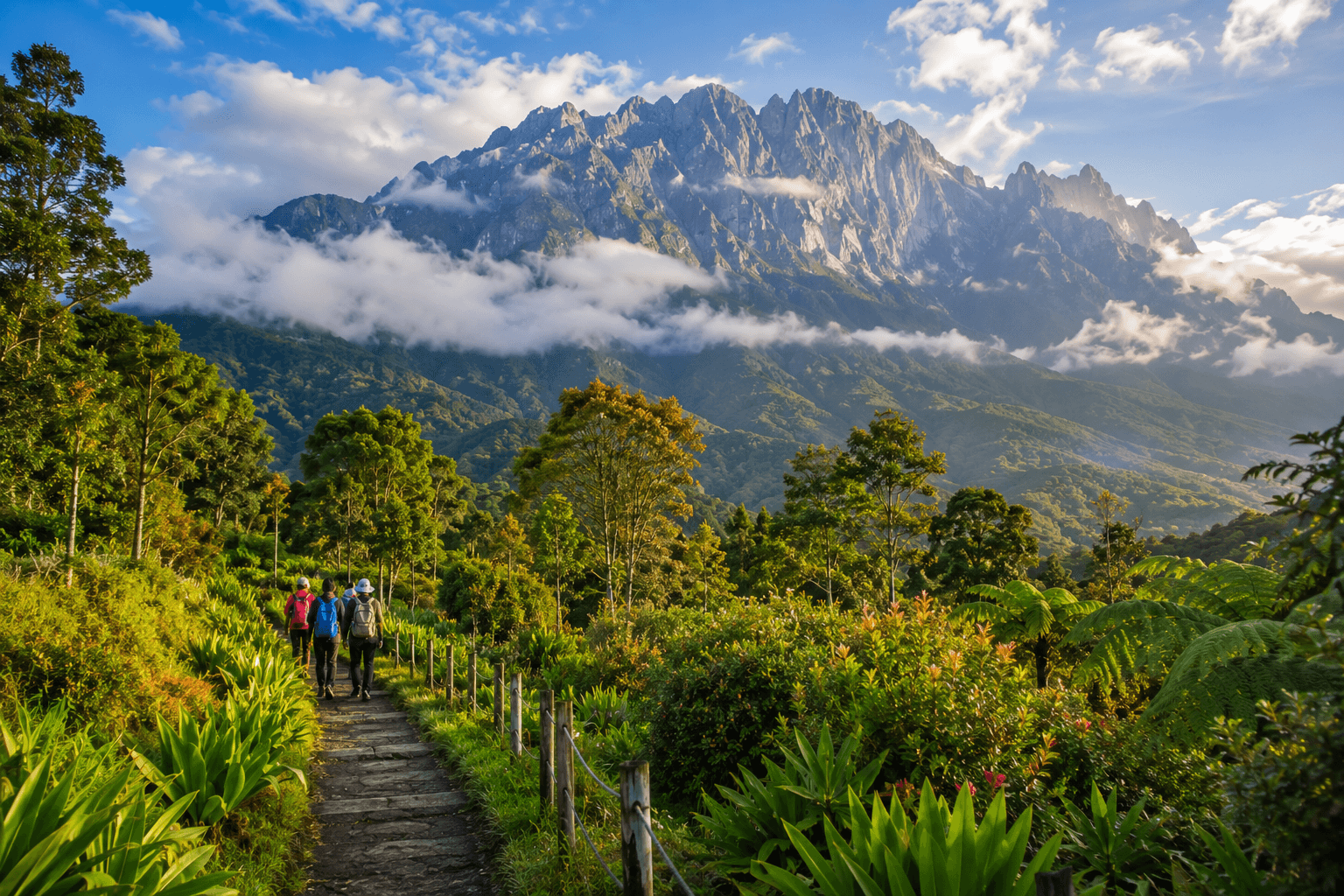
Kinabalu Park is one of those places that stays with you long after your visit ends. The cool mountain air, peaceful walking trails, and stunning views create a refreshing escape from the busy city.
I've spoken with many travelers who came here expecting a short nature stop, but most ended up spending much longer because there was so much to see and explore.
From rare plants and colorful birds to beautiful gardens and forest paths, every corner feels different.
Whether you enjoy hiking, photography, or simply being surrounded by nature, this guide covers everything you need to plan your visit, including top attractions, tickets, travel tips, and the best time to go.
Discover the Natural Wonders of Kinabalu Park
Kinabalu Park is one of Malaysia's most important natural destinations. It is known for its rich wildlife, cool mountain climate, and beautiful landscapes that attract nature lovers from around the world.
Malaysia's first UNESCO World Heritage Site
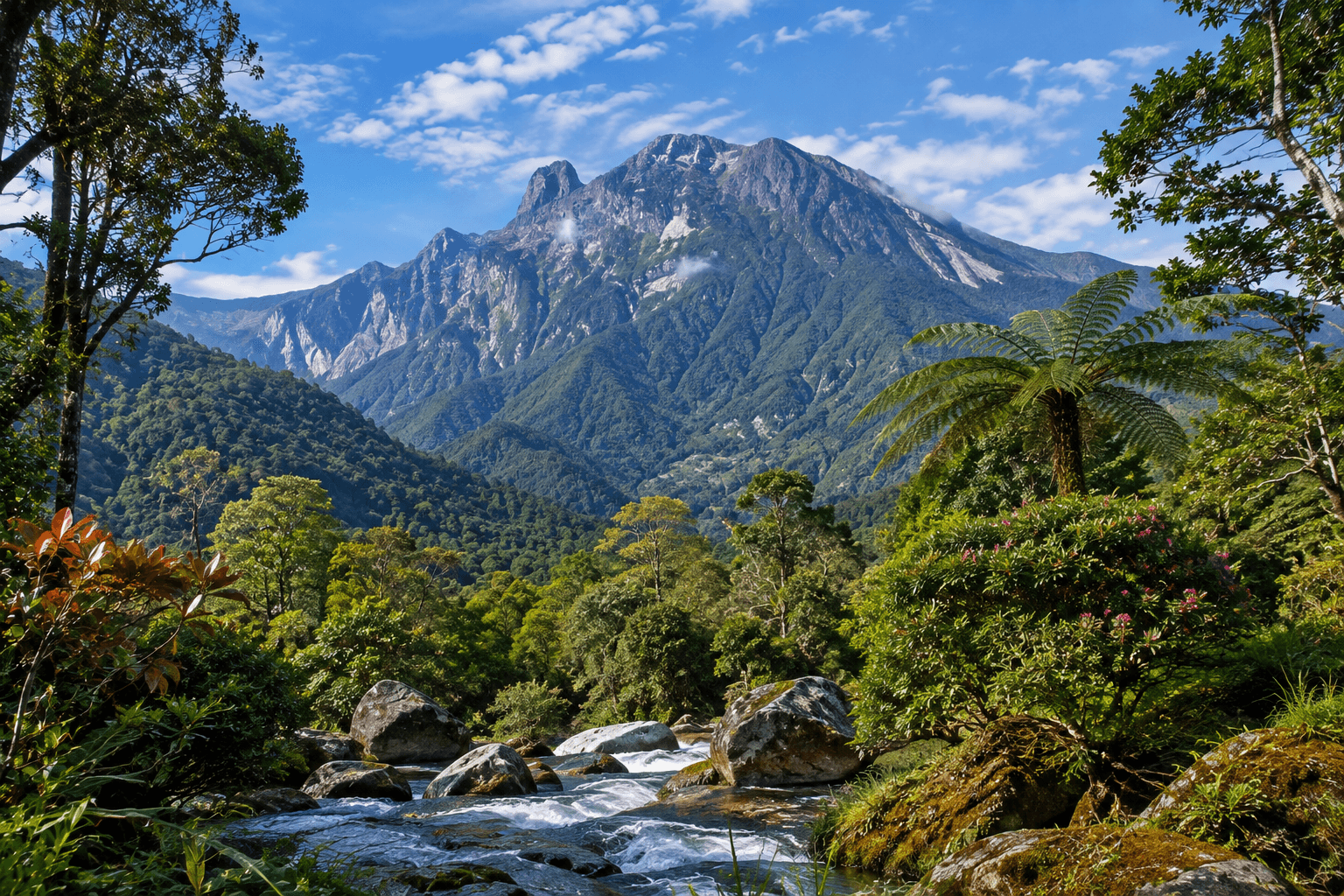
One of the biggest reasons people visit this Park is its global recognition. In 2000, it became Malaysia's first UNESCO World Heritage Site because of its outstanding natural value and incredible range of plant and animal species.
The park is especially important because it:
- Protects one of Southeast Asia's richest natural environments.
- Supports thousands of plant and animal species.
- Preserves rare habitats found nowhere else.
- Serves as an important site for scientific research.
Located at the foot of Mount Kinabalu, the park offers much more than scenic views.
It protects an ecosystem that has developed over millions of years, making it one of the country's most valuable natural treasures.
A biodiversity hotspot unlike any other
The variety of life inside Kinabalu Park is remarkable. Within a single visit, you can walk through different forest types, discover unusual plants, and spot wildlife that exists only in this part of Borneo.
As you explore the park, you may come across:
- Colorful orchids.
- Unique pitcher plants.
- Moss-covered forests.
- Butterflies and insects.
- Birds found only in Sabah.
The changing altitude creates different habitats, which is why the scenery changes as you move through the park.
Every trail offers something new to see, making this park a rewarding destination whether you enjoy photography, birdwatching, or peaceful nature walks.
Why Kinabalu Park is a must-visit in Sabah
Many travelers visit this park to climb the mountain, but you do not have to be a climber to enjoy everything the park offers.
Beautiful gardens, short walking trails, fresh mountain air, and excellent viewpoints make it worth visiting on its own.
Here are a few reasons visitors include the park in their Sabah itinerary:
- Easy walking trails for different fitness levels.
- Beautiful mountain scenery throughout the park.
- Rare plants and wildlife.
- Cool temperatures compared to Kota Kinabalu.
- Educational exhibits and visitor facilities.
Whether you spend a few hours exploring or stay overnight nearby, Kinabalu Park offers a different side of Sabah that is peaceful, scenic, and rich in nature.
It is a place where visitors can slow down, enjoy the surroundings, and appreciate one of Malaysia's most remarkable protected landscapes.
Mount Kinabalu and Its Connection to Kinabalu Park
This park is the main starting point for anyone planning to climb Malaysia's highest mountain. Even if you're not hiking to the summit, the park gives you easy access to beautiful views, nature trails, and visitor facilities.
Why the park is the gateway to the mountain
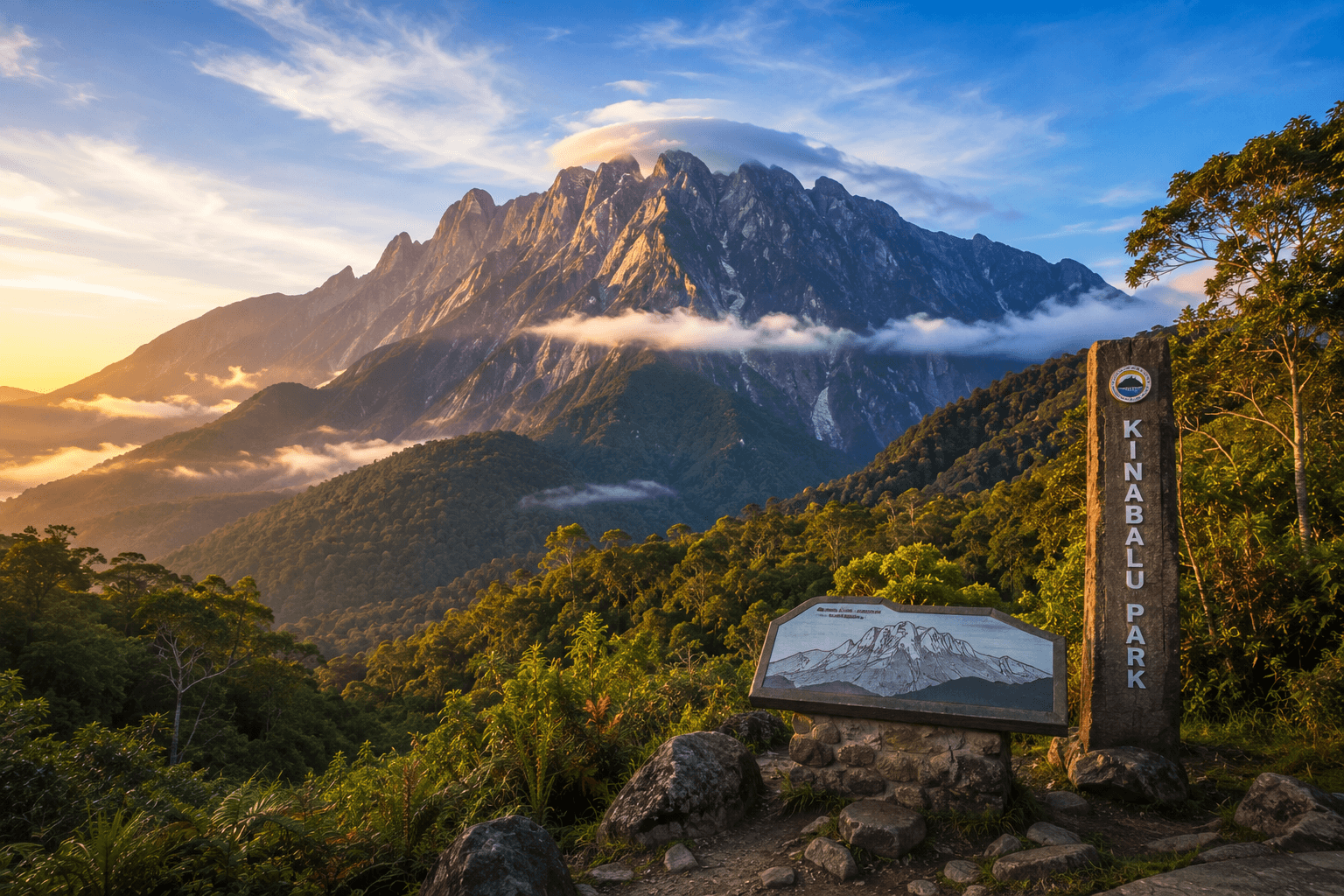
Every official climb to Mount Kinabalu begins through Kinabalu Park. Visitors register here before continuing to the park headquarters, where climbers complete the required check-in process and receive important information before their hike.
The park also serves as a central hub for:
- Climber registration.
- Visitor information.
- Rest areas and facilities.
- Guided tour arrangements.
- Access to nearby nature trails.
Because everything is well organized, visitors can easily plan their day whether they are climbing the mountain or simply exploring the surrounding area.
This is one reason this park is considered one of the top Sabah nature attractions.
Can you visit without climbing Mount Kinabalu?
Yes. Many visitors come to Kinabalu Park without planning to climb the mountain.
In fact, a large number of travelers spend the day enjoying the gardens, walking trails, viewpoints, and fresh mountain air instead of attempting the summit.
You can enjoy activities such as:
- Walking through the Botanical Garden.
- Exploring short forest trails.
- Visiting the Education Centre.
- Taking in the mountain scenery.
- Watching birds and native plants.
If climbing is not part of your plans, you can still have a rewarding visit.
The park offers plenty to see, making it a worthwhile destination for families, photographers, and nature lovers visiting this park.
Mountain views and photography spots
Clear weather rewards visitors with some of the best views of Mount Kinabalu. Early morning is usually the best time for photography because the skies are often clearer before clouds build up later in the day.
Some popular photo spots include:
- Scenic viewpoints around the park headquarters.
- The Botanical Garden.
- Open grassy areas with mountain backdrops.
- Nature trails overlooking the surrounding forest.
Bring a camera or keep your phone fully charged, as you'll find plenty of opportunities to capture the changing landscape.
Even if you're not hiking, the views alone make Kinabalu Park a memorable place to visit.
Climbing permits and essential information
If you plan to climb Mount Kinabalu, you must arrange your trip in advance. Daily climber numbers are limited, and permits are required for every visitor attempting the summit.
Before your climb, remember to:
- Book your permit well ahead of your travel dates.
- Reserve accommodation if your climbing package requires an overnight stay.
- Join a licensed mountain guide, as this is mandatory.
- Wear proper hiking shoes and warm clothing.
- Check the weather before your visit.
Even if you're only visiting for sightseeing, it is helpful to know that climbing permits are separate from general park admission.
Planning ahead helps make your visit to Kinabalu Park smoother, especially during weekends and peak travel seasons.
Best Places to Explore Inside Kinabalu Park
There is much more to this park than mountain climbing. The park is filled with gardens, walking trails, learning spaces, and scenic viewpoints that visitors of all ages can enjoy.
Kinabalu Botanical Garden
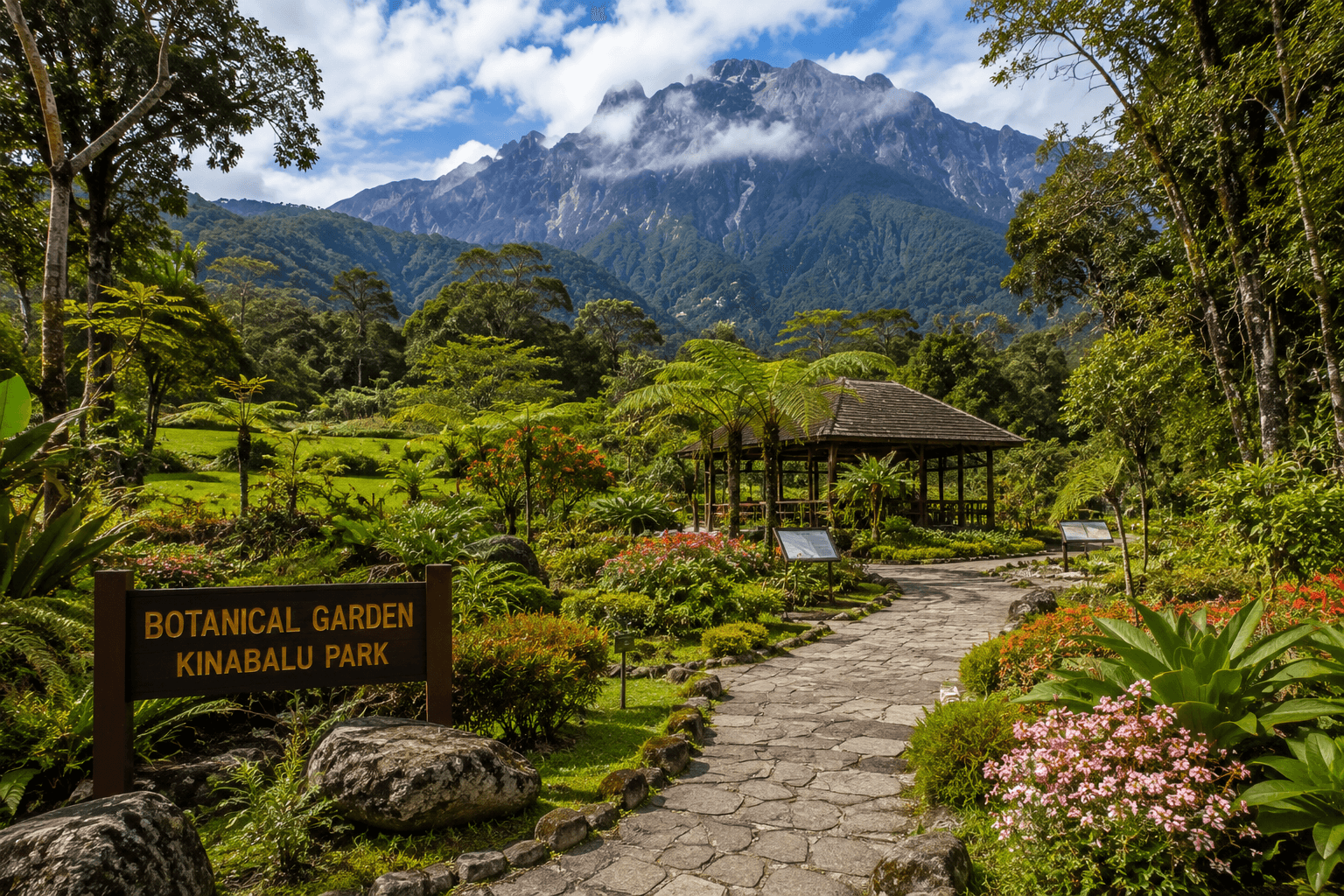
The Kinabalu Botanical Garden is one of the best places to learn about the park's rich plant life. It features well-maintained walking paths and a large collection of native plants that grow in the highlands of Sabah.
During your visit, you can see:
- Rare orchids.
- Colorful flowering plants.
- Carnivorous pitcher plants.
- Ferns and mosses found in the mountain forests.
Many visitors choose a guided tour to better understand the unique species growing here. If you enjoy nature and photography, this is one of the first places you should explore inside Kinabalu Park.
Mountain Garden
The Mountain Garden is a quieter area that showcases many of the plants found at higher elevations around Mount Kinabalu.
It offers an easy walk while giving visitors a closer look at species that thrive in the park's cool climate.
Highlights include:
- Native shrubs and flowering plants.
- Rare highland vegetation.
- Peaceful walking paths.
- Informative plant labels.
This garden is ideal if you prefer a slower pace and want to appreciate the smaller details of the park.
It is also one of the lesser-known things to do in Sabah for travelers interested in nature rather than adventure. Spending time here gives you another reason to explore Kinabalu Park beyond its famous mountain.
Silau-Silau Nature Trail
The Silau-Silau Nature Trail is one of the park's most popular walking routes. The trail follows a gentle path through the forest, making it suitable for most visitors, including families and casual walkers.
Along the trail, you may spot:
- Small streams.
- Moss-covered trees.
- Native birds.
- Butterflies and insects.
- Beautiful forest scenery.
The walk is peaceful and does not require advanced hiking experience. It is a great choice if you want to enjoy the fresh mountain air while experiencing the natural beauty of Kinabalu Park.
Visitor and Education Centre
Before exploring the park, many visitors stop at the Visitor and Education Centre. It provides useful information about the park's history, wildlife, ecosystems, and conservation efforts.
Inside the centre, you can find:
- Educational displays.
- Maps of the park.
- Information about local plants and animals.
- Helpful visitor guidance.
A short visit here helps you better understand what makes the park so special. It also gives useful background before you continue exploring Kinabalu Park and its different attractions.
Scenic viewpoints
One of the simplest pleasures in this park is stopping to enjoy the mountain scenery. Several viewpoints throughout the park offer clear views of Mount Kinabalu, nearby forests, and the surrounding valleys.
For the best experience:
- Visit early in the morning for clearer skies.
- Bring a camera or smartphone.
- Take your time at each viewpoint.
- Check the weather before your visit.
The views can change quickly as clouds move across the mountain, so every stop feels a little different.
Whether you're taking photos or simply enjoying the landscape, these viewpoints are well worth adding to your visit to Kinabalu Park.
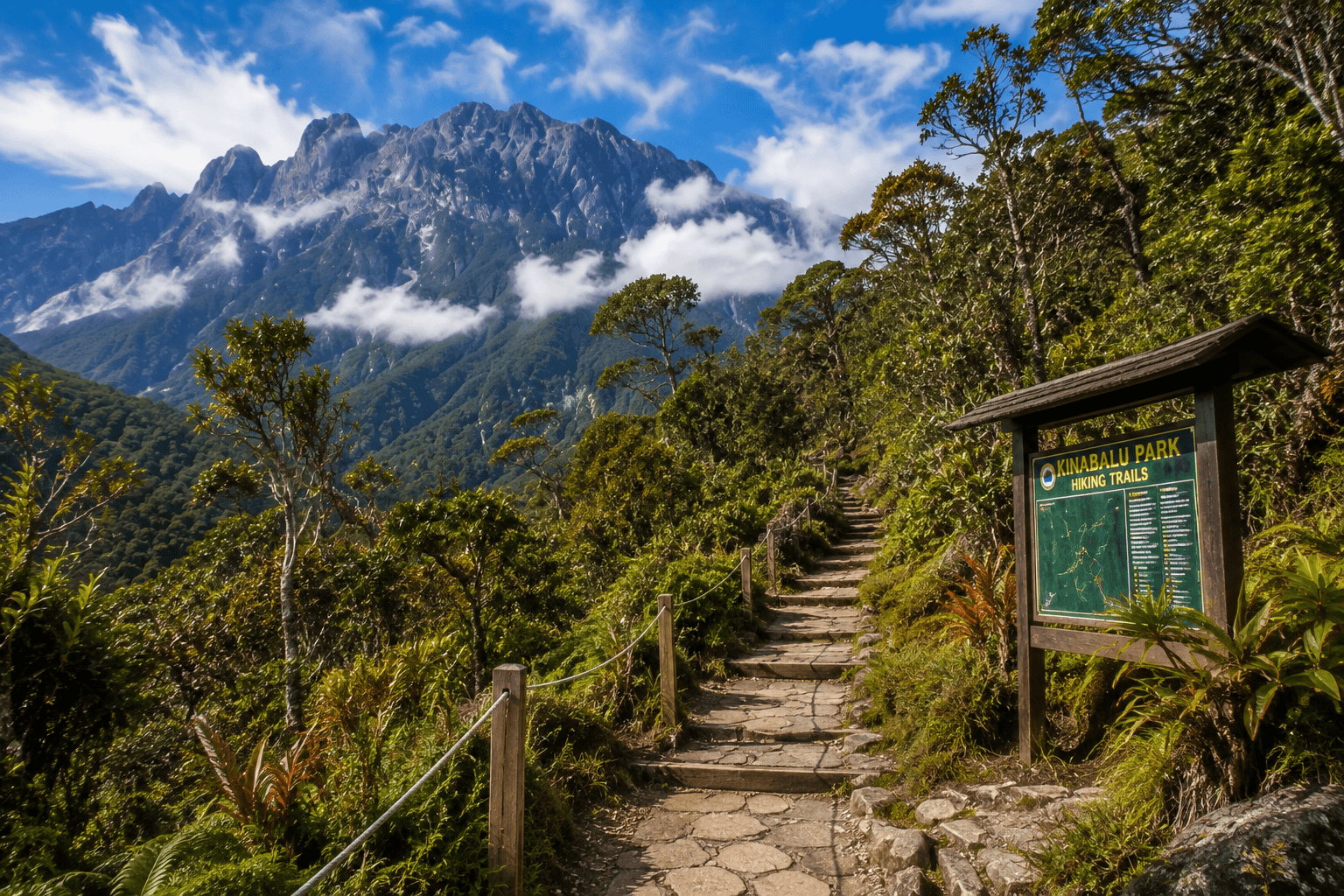
Walk Through the Famous Kinabalu Park Hiking Trails
Walking is one of the best ways to experience this park. The park has several trails that let you enjoy the cool mountain climate, peaceful forests, and rich wildlife at your own pace.
Easy trails for casual visitors
Not every trail inside this park is challenging. Several short walks are suitable for beginners, families, and anyone who wants to enjoy nature without a long hike.
Popular easy trails offer:
- Well-marked walking paths.
- Gentle slopes.
- Shaded forest sections.
- Easy access from the park headquarters.
Many of these Kinabalu Park hiking trails can be completed in less than an hour, making them ideal if you are visiting for the day.
They also give you a chance to enjoy the park's peaceful surroundings without needing special hiking experience.
Nature walks for wildlife lovers
Walking quietly through the forest gives you the best chance to spot wildlife. This park is home to many birds, insects, squirrels, and unique plant species that often go unnoticed by visitors who rush through the trails.
Keep an eye out for:
- Colorful birds in the trees.
- Butterflies along sunny paths.
- Moss-covered rocks and tree trunks.
- Rare orchids and pitcher plants.
Early morning is usually the best time for wildlife watching because many animals are more active before the day becomes warmer.
Moving slowly and keeping noise to a minimum often leads to better wildlife sightings in Kinabalu Park.
Best trails for photography
If you enjoy taking photos, the park offers plenty of beautiful locations. Different trails provide changing views of forests, streams, gardens, and, on clear days, Mount Kinabalu.
Some of the best photo opportunities include:
- Forest paths covered with moss.
- Wooden bridges across small streams.
- Mountain viewpoints.
- Colorful flowers and native plants.
- Misty woodland scenery in the early morning.
Lighting changes throughout the day, so many photographers prefer visiting in the morning when the skies are often clearer.
Even a short walk through Kinabalu Park can reward you with memorable landscape and wildlife photos.
Hiking safety tips
Most walking trails are easy to follow, but it is still important to prepare before heading out. The weather in the park can change quickly, and some paths may become wet after rain.
Before you start your walk:
- Wear comfortable shoes with good grip.
- Carry drinking water.
- Bring a light rain jacket.
- Stay on marked trails.
- Check the weather forecast before setting out.
- Let someone know if you plan a longer hike.
Taking a few simple precautions helps you enjoy the trails safely while protecting the natural environment. With good preparation, exploring this park on foot becomes one of the most enjoyable parts of your visit.
Experience Sabah's Incredible Flora and Fauna
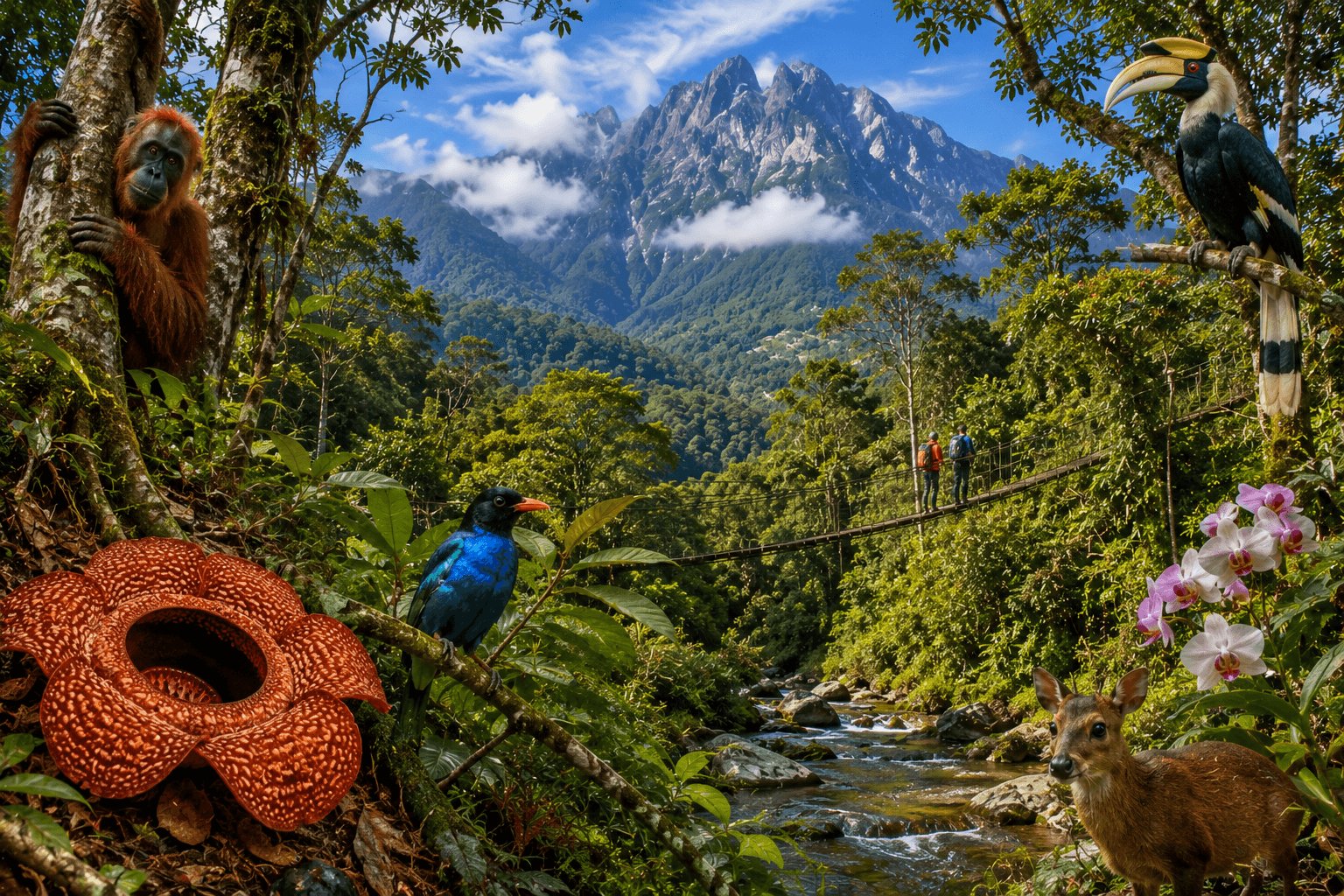
Nature is the biggest reason many people visit Kinabalu Park. The park protects thousands of plant and animal species, making every walk an opportunity to discover something unique.
Rare orchids and pitcher plants
One of the highlights of this park is its remarkable collection of native plants. The park is especially famous for its orchids and carnivorous pitcher plants, many of which grow naturally in the surrounding forests.
During your visit, you may see:
- Rare wild orchids.
- Colorful pitcher plants.
- Ferns and mosses.
- High-altitude flowering plants.
Some species are found only in Borneo, making them difficult to see anywhere else. The park's protected environment helps these plants thrive, which is one reason it was recognized as a UNESCO World Heritage Site Malaysia.
Plant lovers often spend extra time exploring Kinabalu Park because every section of the forest offers something different.
Birdwatching opportunities
Birdwatching is one of the most rewarding activities inside this park. The forests are home to many resident and migratory birds, making the park a popular destination for bird enthusiasts throughout the year.
You may be able to spot:
- Mountain blackeyes.
- Chestnut-crested yuhinas.
- Whitehead's broadbills.
- Sunbirds.
- Other native forest birds.
Early morning is usually the best time for birdwatching, as birds are more active before the day becomes warmer.
Walking quietly along the trails also increases your chances of seeing different species during your visit to Kinabalu Park.
Endemic wildlife
Beyond its plants and birds, this park supports a wide variety of wildlife found only in this part of Borneo. While larger animals are harder to spot, patient visitors often notice many smaller species along the walking trails.
Keep an eye out for:
- Tree squirrels.
- Mountain frogs.
- Colorful butterflies.
- Lizards.
- Unique insects.
Wildlife sightings depend on the weather, time of day, and how quietly you move through the forest.
Even if you do not see rare animals, the rich natural surroundings make exploring Kinabalu Park an enjoyable experience.
Seasonal blooms and unique ecosystems
The landscape inside this park changes with the seasons and elevation. Different plants bloom at different times of the year, so no two visits are the same.
As you explore the park, you'll notice:
- Forests changing with altitude.
- Flowering plants that bloom during different seasons.
- Moss-covered trees in cooler areas.
- A mix of tropical and highland vegetation.
These changing ecosystems are one of the reasons scientists continue to study the park today. For visitors, they create an interesting journey through different natural environments, all within a single visit to Kinabalu Park.
Why Kinabalu Park Earned UNESCO World Heritage Status
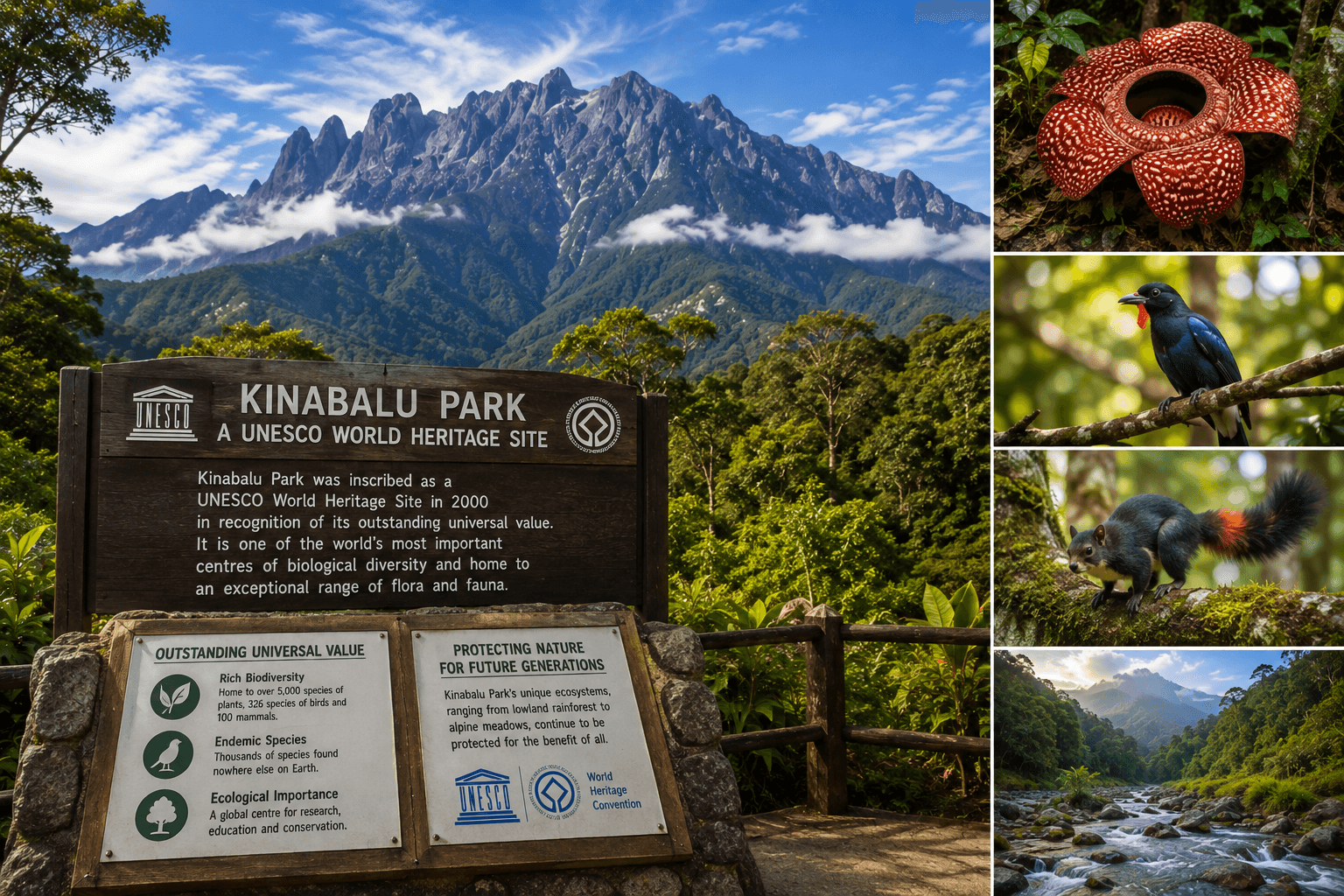
This park is internationally recognized for its outstanding natural value. Its rich biodiversity, unique landscapes, and long-term conservation efforts are the main reasons it was added to the UNESCO World Heritage List.
Exceptional biodiversity
One of the biggest reasons Kinabalu Park received UNESCO recognition is its extraordinary biodiversity. The park is home to thousands of plant species and hundreds of animal species, many of which cannot be found anywhere else in the world.
Its rich biodiversity includes:
- Thousands of flowering plants.
- Hundreds of orchid species.
- Rare pitcher plants.
- Native birds and mammals.
- Diverse insects and amphibians.
The wide range of habitats allows many species to thrive within a relatively small area. This makes this park one of the most biologically important protected areas in Southeast Asia.
Geological significance
The landscape of Kinabalu Park is just as impressive as its wildlife. At its center stands Mount Kinabalu, one of the world's highest peaks between the Himalayas and New Guinea, formed through natural geological processes over millions of years.
Visitors can observe:
- Granite mountain formations.
- Cliffs and rocky slopes.
- Forests that change with elevation.
- Distinct climate zones from lowland to highland.
These natural features create a variety of environments that support different plants and animals. The mountain's geology is a key reason why this park has such remarkable ecological diversity.
Conservation and scientific research
Protecting nature is one of the park's most important roles. Kinabalu Park supports ongoing conservation work while also providing valuable opportunities for scientific research.
The park helps by:
- Protecting rare and endangered species.
- Preserving natural habitats.
- Supporting botanical and wildlife research.
- Monitoring ecosystems over time.
Researchers from Malaysia and other countries continue to study the park to better understand its plants, animals, and changing environment. This work also helps improve conservation efforts inside this park.
Global ecological importance
The importance of Kinabalu Park extends far beyond Sabah. The park protects ecosystems that contribute to global biodiversity and provides a safe habitat for many species found only in Borneo.
Its global value comes from:
- Protecting unique wildlife.
- Conserving rare plant species.
- Supporting healthy forest ecosystems.
- Preserving natural habitats for future generations.
UNESCO recognition highlights the park's importance not only for Malaysia but for the world.
By protecting these ecosystems today, this park continues to play an important role in conserving one of Southeast Asia's richest natural environments.
Planning Your Visit to Kinabalu Park
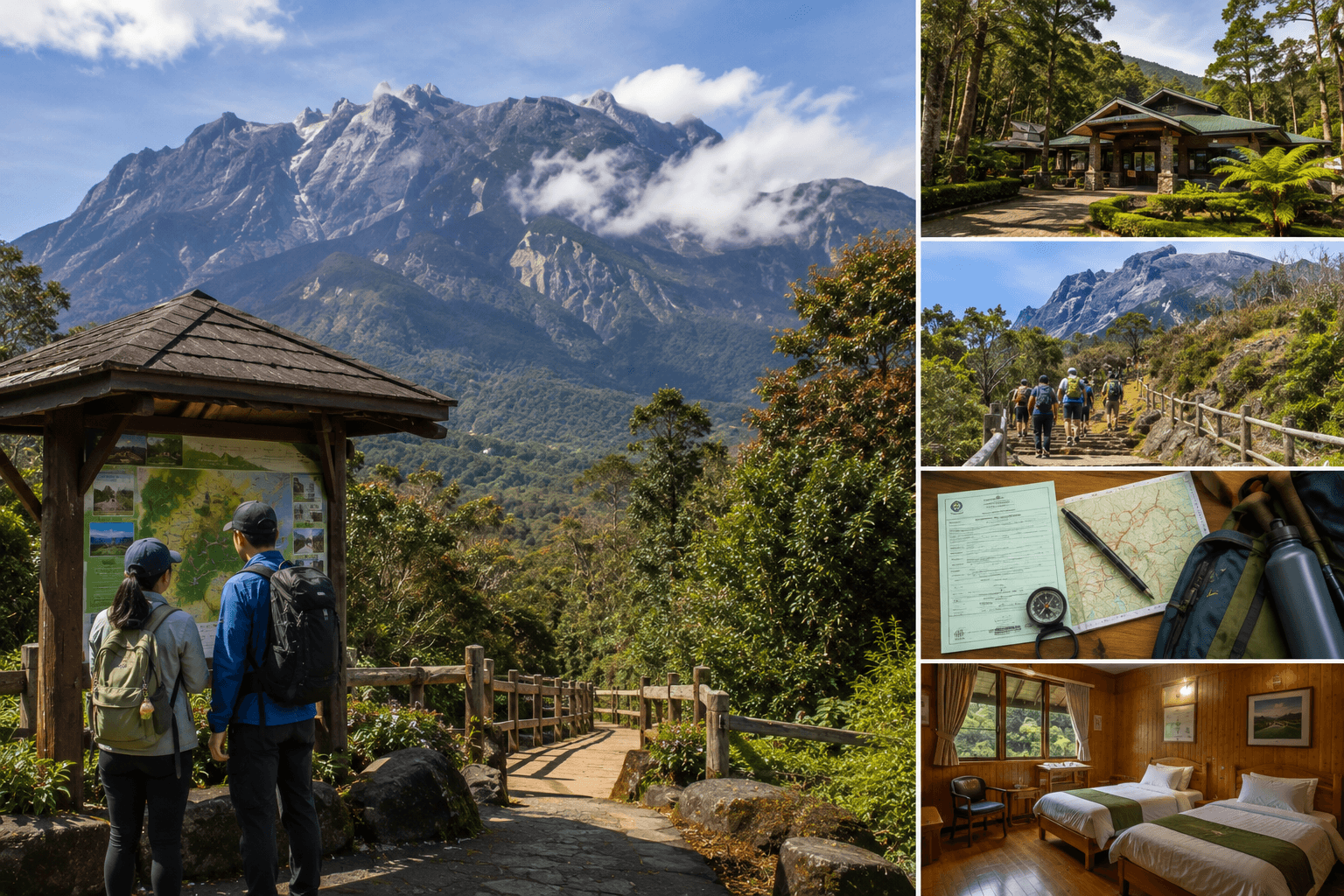
Planning ahead will help you enjoy this park without any last-minute surprises. Knowing how to get there, when to visit, and where to stay can make your trip much more comfortable.
How to get there
Kinabalu Park is located in Sabah, about 90 kilometers from Kota Kinabalu. The drive usually takes around 2 to 2.5 hours, depending on traffic and weather conditions.
You can reach the park by:
- Driving a rental car.
- Joining a guided day tour.
- Taking a taxi or private transfer.
- Using public buses that travel towards Kundasang or Ranau.
The roads are well maintained, and the journey itself is scenic, passing through mountain landscapes and small local towns. Leaving early in the morning usually helps you avoid traffic and gives you more time to explore this park.
Opening hours and entrance fees
Kinabalu Park is open daily, making it easy to include in your Sabah itinerary. Entrance fees vary depending on your visitor category, while separate charges apply for attractions such as the Botanical Garden or mountain climbing permits.
Before your visit:
- Check the latest opening hours.
- Confirm current entrance fees.
- Book climbing permits in advance if required.
- Review any additional charges for guided tours or special attractions.
Checking the latest information before you travel helps you avoid unexpected changes and plan your visit to this park more smoothly.
Best time to visit
You can visit Kinabalu Park throughout the year, but many travelers prefer the dry season between February and April because walking trails are usually in better condition and mountain views are often clearer.
For the best experience:
- Visit early in the morning.
- Choose a weekday if possible for fewer crowds.
- Bring a light jacket, as temperatures can be cool.
- Check the weather before you leave.
Mountain weather can change quickly, so it is always a good idea to carry light rain protection when exploring this park.
Where to stay nearby
If you want more time to explore, staying near Kinabalu Park is a great option. The nearby towns of Kundasang and Ranau offer a wide range of accommodation, from budget guesthouses to comfortable mountain lodges.
Popular accommodation options include:
- Hotels.
- Guesthouses.
- Mountain lodges.
- Holiday cabins.
- Family-friendly resorts.
Many accommodations offer beautiful views of Mount Kinabalu, especially on clear mornings. Staying nearby also lets you start your visit early, giving you more time to enjoy everything this park has to offer.
Things to Do Around Kinabalu Park
After exploring this park, several nearby attractions are worth adding to your itinerary. Most are within a short drive, making it easy to enjoy a full day or even a weekend in the area.
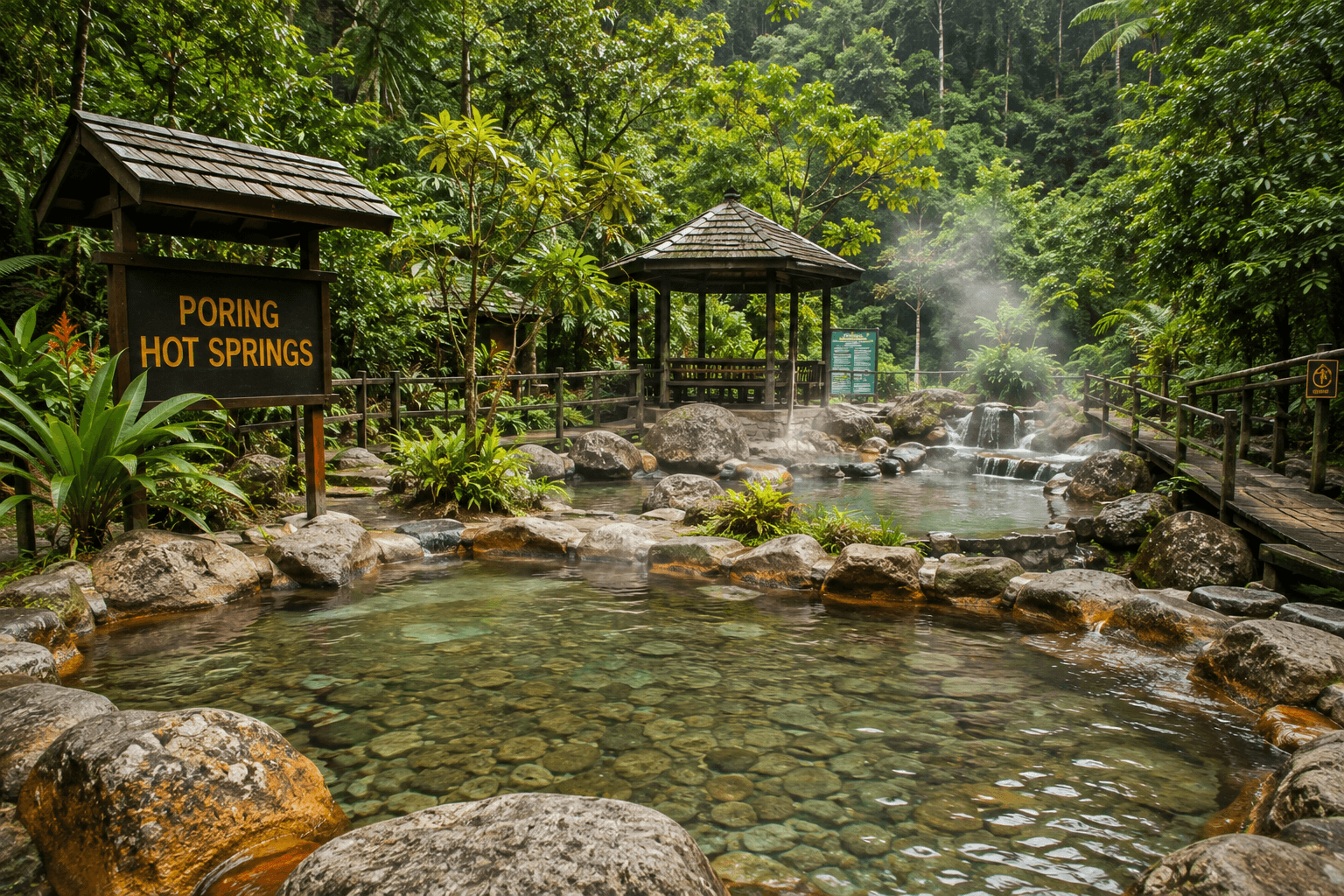
Relax at Poring Hot Springs
Located about 40 kilometers from Kinabalu Park, Poring Hot Springs is a popular place to relax after a day of walking or hiking.
The natural hot spring pools are known for their warm, mineral-rich water, making them a favorite stop for both locals and visitors.
Things to enjoy here include:
- Natural hot spring pools.
- A canopy walkway above the rainforest.
- Short jungle trails.
- Butterfly garden, when open.
It is a great place to unwind while enjoying the peaceful surroundings. Many visitors combine Poring Hot Springs with this park on the same trip.
Visit Desa Dairy Farm
Desa Dairy Farm is one of Sabah's most photographed attractions. Surrounded by green hills and mountain views, it is often called the "Little New Zealand of Sabah."
During your visit, you can:
- Watch cows being milked.
- Feed young calves.
- Enjoy fresh milk and ice cream.
- Take photos with scenic mountain views.
The farm is especially beautiful on clear mornings when Mount Kinabalu is fully visible. Since it is only a short drive away, many travelers visit both Desa Dairy Farm and Kinabalu Park on the same day.
Explore Kundasang
Kundasang is a quiet highland town known for its cool weather, local farms, and beautiful scenery. It is a pleasant place to stop for a meal, shop for local products, or simply enjoy the mountain atmosphere after visiting this park.
Popular activities include:
- Visiting local fruit and vegetable stalls.
- Trying Sabahan restaurants and cafés.
- Enjoying mountain views.
- Exploring nearby gardens and small attractions.
Many visitors choose to stay overnight in Kundasang because it provides easy access to Kinabalu Park and other nearby attractions.
Shop at Nabalu Market
Nabalu Market is a popular roadside stop between Kota Kinabalu and this park. It is well known for its local handicrafts, fresh produce, and souvenir shops.
You'll find a variety of items, including:
- Handmade crafts.
- Local snacks.
- Fresh fruits and vegetables.
- Clothing and souvenirs.
- Small gifts to take home.
On clear days, the market also offers excellent views of Mount Kinabalu, making it a nice place to take a short break during your journey.
Many travelers stop here before or after visiting Kinabalu Park to enjoy the scenery and pick up local products.
Essential Tips Before Visiting Kinabalu Park
A little preparation can make your visit much more comfortable. These simple tips will help you stay safe, enjoy the scenery, and make the most of your time at this park.
What to pack
The weather at Kinabalu Park is cooler than many other parts of Sabah, so packing the right items will help you stay comfortable throughout your visit.
It's a good idea to bring:
- Comfortable walking shoes.
- A light jacket or sweater.
- A reusable water bottle.
- A small backpack for essentials.
- Sunscreen and a hat.
- A light rain jacket or umbrella.
If you plan to spend several hours exploring the trails, carrying a few extra essentials will make your visit to this park much more enjoyable.
Weather and altitude considerations
The weather at Kinabalu Park can change quickly, even on sunny days. Mornings are often cool and clear, while clouds and light rain are more common in the afternoon.
Before you visit, remember to:
- Check the weather forecast.
- Dress in layers.
- Wear shoes with good grip, especially after rain.
- Take regular breaks if you're not used to higher elevations.
Although most visitors have no problems, the cooler temperatures and higher altitude may feel different if you're arriving from lower coastal areas. Taking your time helps you enjoy this park more comfortably.
Photography tips
You'll find plenty of beautiful places to photograph throughout Kinabalu Park, from mountain views to forest trails and colorful plants. Good lighting can make a big difference, especially when photographing landscapes.
For better photos:
- Visit early for clearer mountain views.
- Keep your camera or phone fully charged.
- Use natural light whenever possible.
- Stay on marked paths while taking photos.
- Be patient, as weather conditions can change quickly.
Some of the best photos come after the morning mist begins to clear, revealing the surrounding forests and mountain scenery at this park.
Responsible travel practices
Protecting the park helps preserve it for future visitors and the wildlife that lives there. Simple actions during your visit can make a positive difference.
Please remember to:
- Stay on designated trails.
- Do not pick flowers or plants.
- Avoid feeding wild animals.
- Take all your rubbish with you.
- Keep noise to a minimum.
- Follow park rules and staff instructions.
Respecting nature allows everyone to enjoy the park while helping protect its unique environment. By traveling responsibly, you also help preserve everything that makes Kinabalu Park such a special place to visit.
Final Thoughts
Kinabalu Park is more than a stop on the way to Mount Kinabalu. It is a place where you can enjoy peaceful walking trails, discover rare plants and wildlife, and experience one of Malaysia's most important natural areas.
Whether you spend a few hours exploring the gardens or stay longer to enjoy the surrounding attractions, there is plenty to see at your own pace. Plan your visit in advance, wear comfortable clothing, and allow enough time to explore beyond the main entrance.
A well-planned trip to this park offers beautiful scenery, fresh mountain air, and a rewarding nature experience.